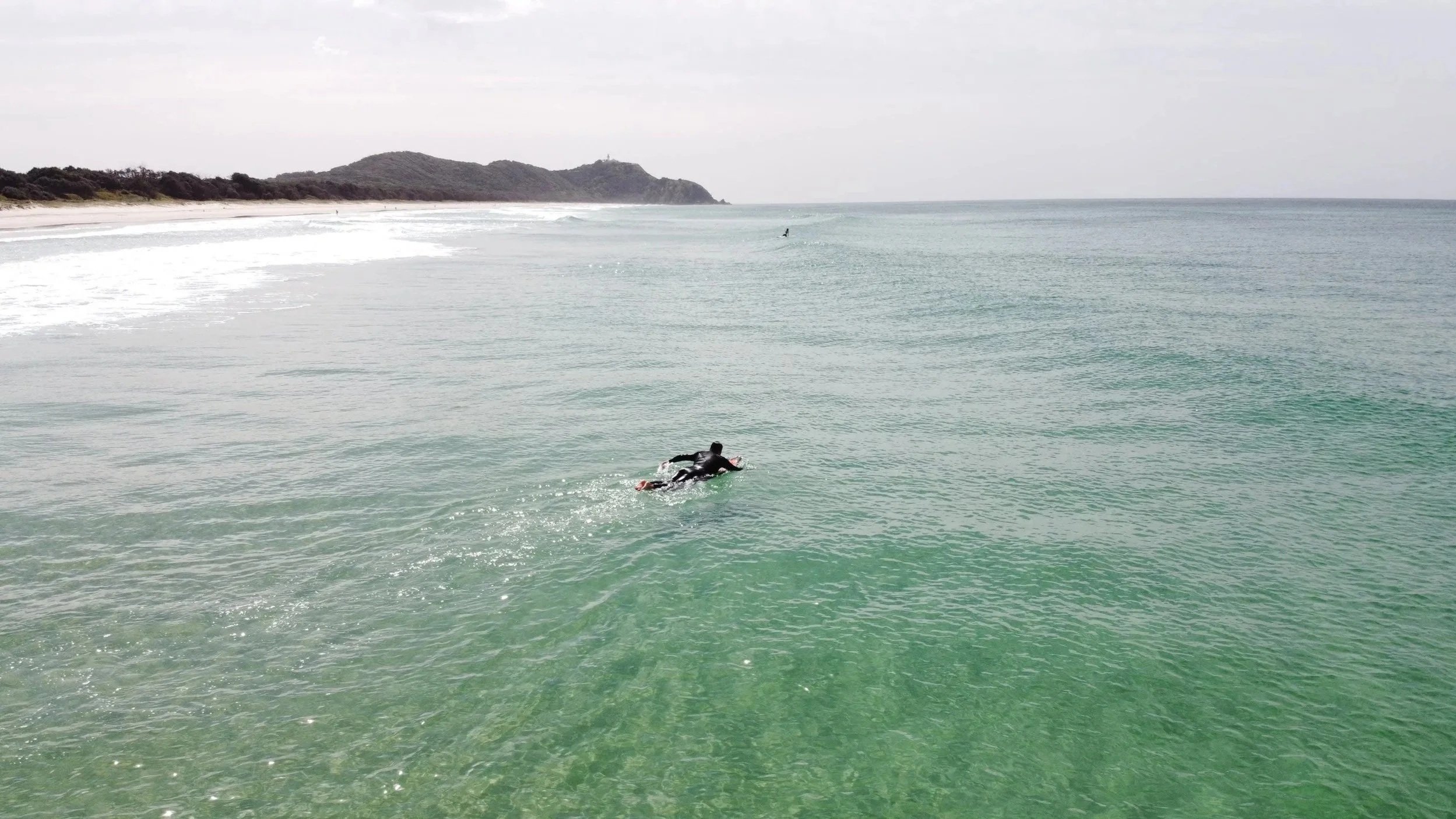
A new generation of Australian kids falling in love with the water
〜
〜
〜
〜 〜 〜
We're creating a future where every child feels safe, capable and at home in the water
〜
〜
〜
〜 〜 〜
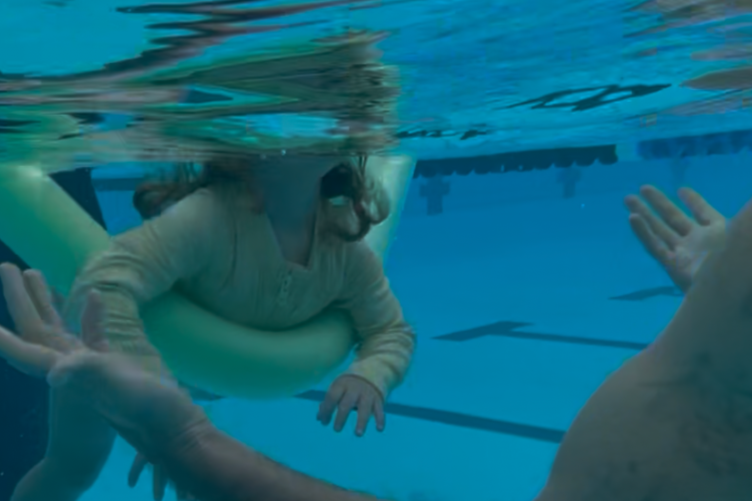
“48% of Year 6 students can’t swim 50 metres. Teachers estimate that almost half of Year 6 students cannot swim 50 metres and tread water for two minutes- the national benchmark for a 12-year-old.”
Swim schools across the country are working hard on this every day, often under real pressure. We think there’s something we can add to that, a framework for reading where a child’s nervous system is, and letting that shape the lesson.
WERE ON A MISSION TO HELP
The Flow State Aquatic Method™
Nervous-system-informed, play-based, built over 20 years in the water.
We share the Method with instructor teams around the country.
Your pool, your staff, your brand.
Small-group and one-on-one lessons at Byron Bay and Mullumbimby pools.
As well as surf and ocean awareness sessions, taught by Simon.
From one pool in Byron Bay to swim schools across the country
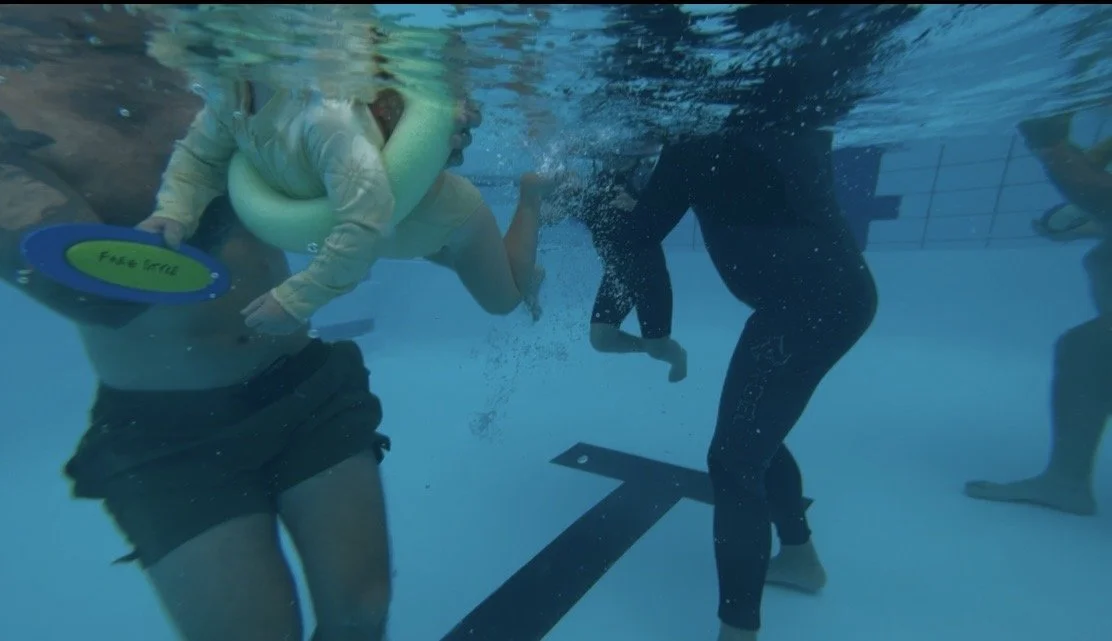
When kids feel safe and seen, they learn differently
The Flow State Aquatic Method™
Our approach is built around helping children feel calm, connected, and in control in the water.
When kids feel safe and regulated, their ability to learn, adapt, and build skills improves naturally.